June 2022: When the School Became Real
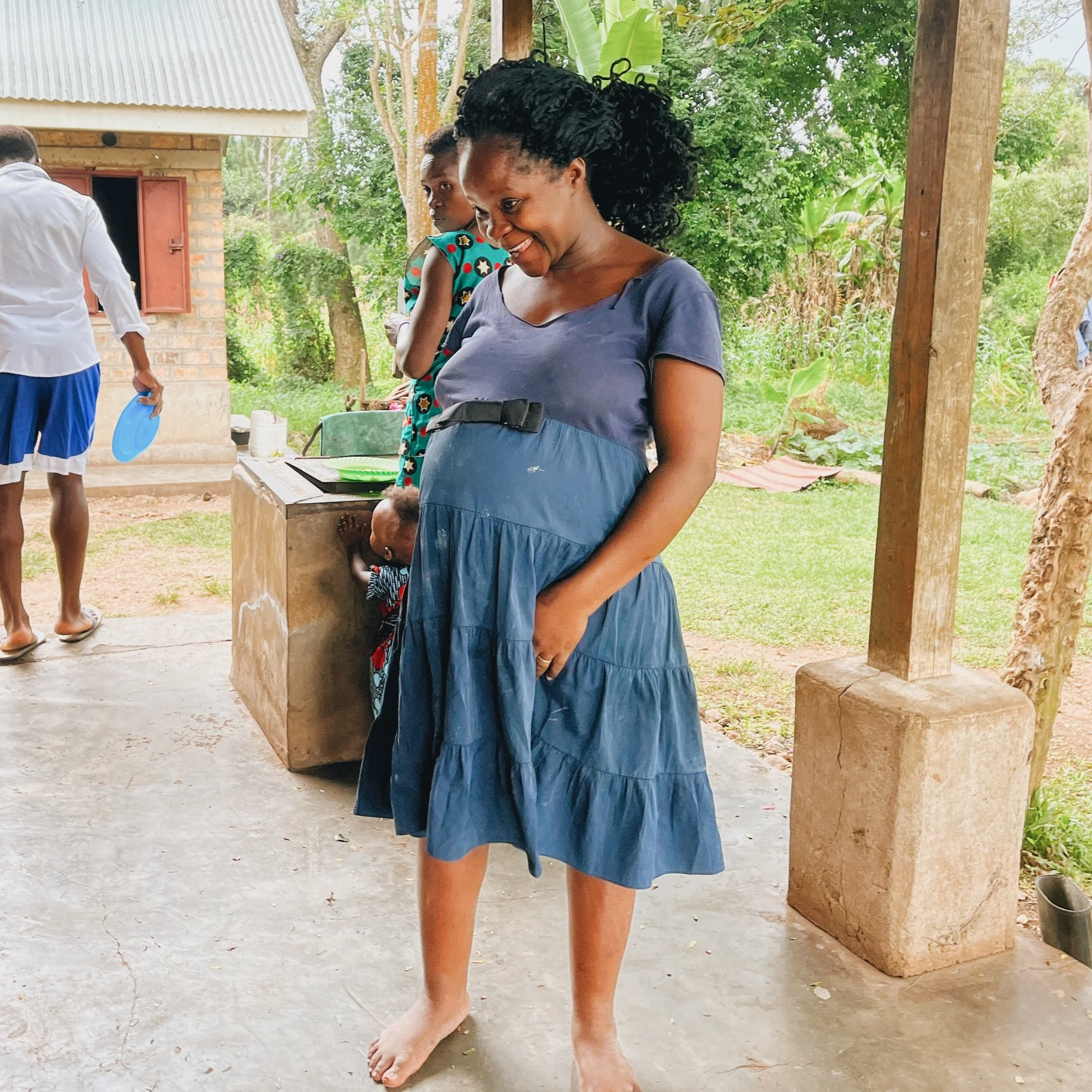
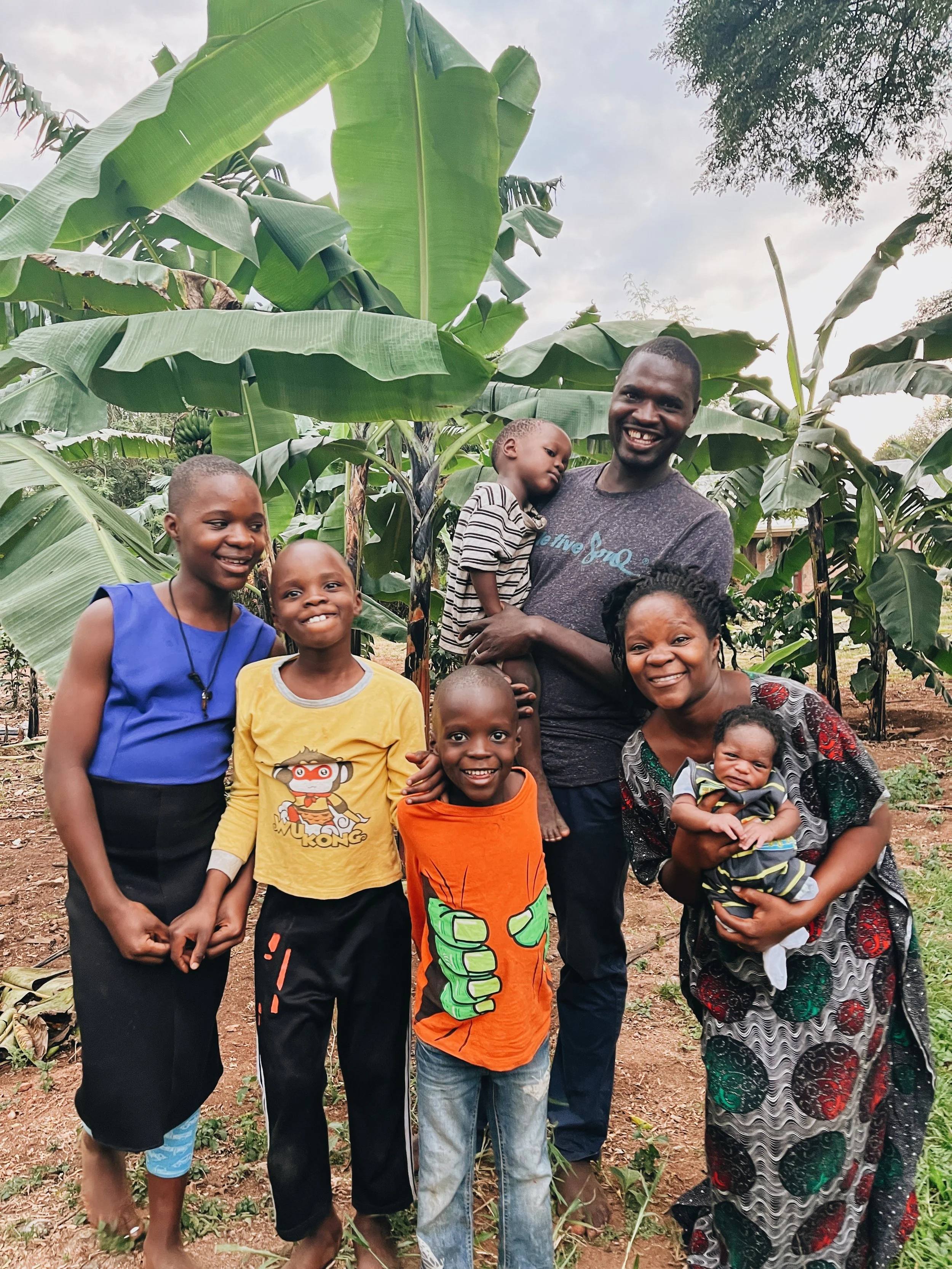
In June of 2022, I returned to Uganda to visit my friends, Vicky and Elvic Lubwama, and their four children. Vicky was pregnant with their fifth child and asked me to be there for the birth. They were still living in the same community where we had been neighbors, where Vicky taught at a primary school and their children attended classes each day. In Kyanjiri, the rural village a few kilometers away where they owned land, there was no school at all.
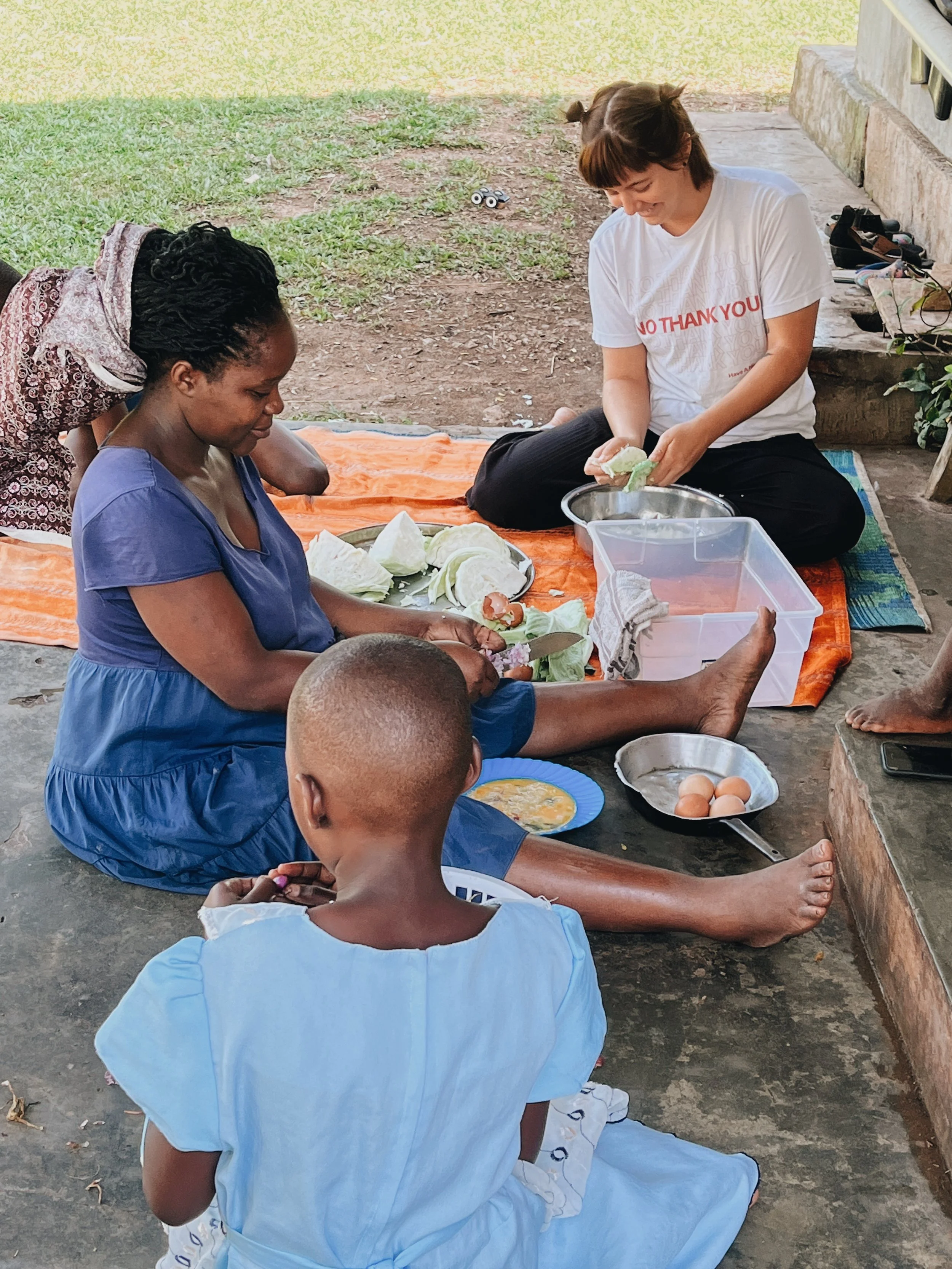
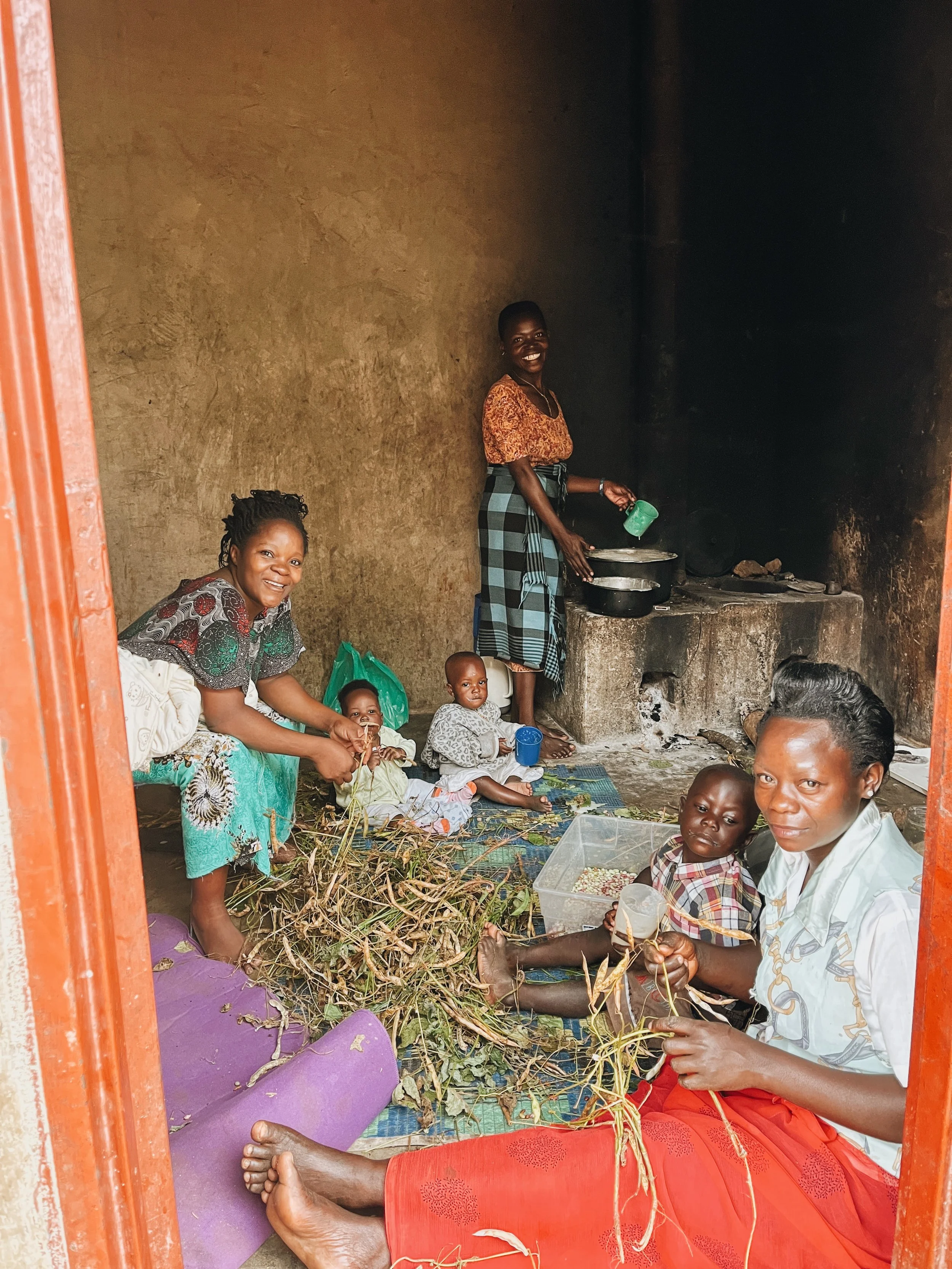
When I arrived, much of my time was spent the way visits with close friends often are. We caught up, played with the kids, cooked together, and eased back into one another’s lives. During the school days, I would sometimes visit other friends or travel with Elvic to Kyanjiri. It was there, on their 3.5 acres of land, that I began to fully grasp what they had been quietly working toward.
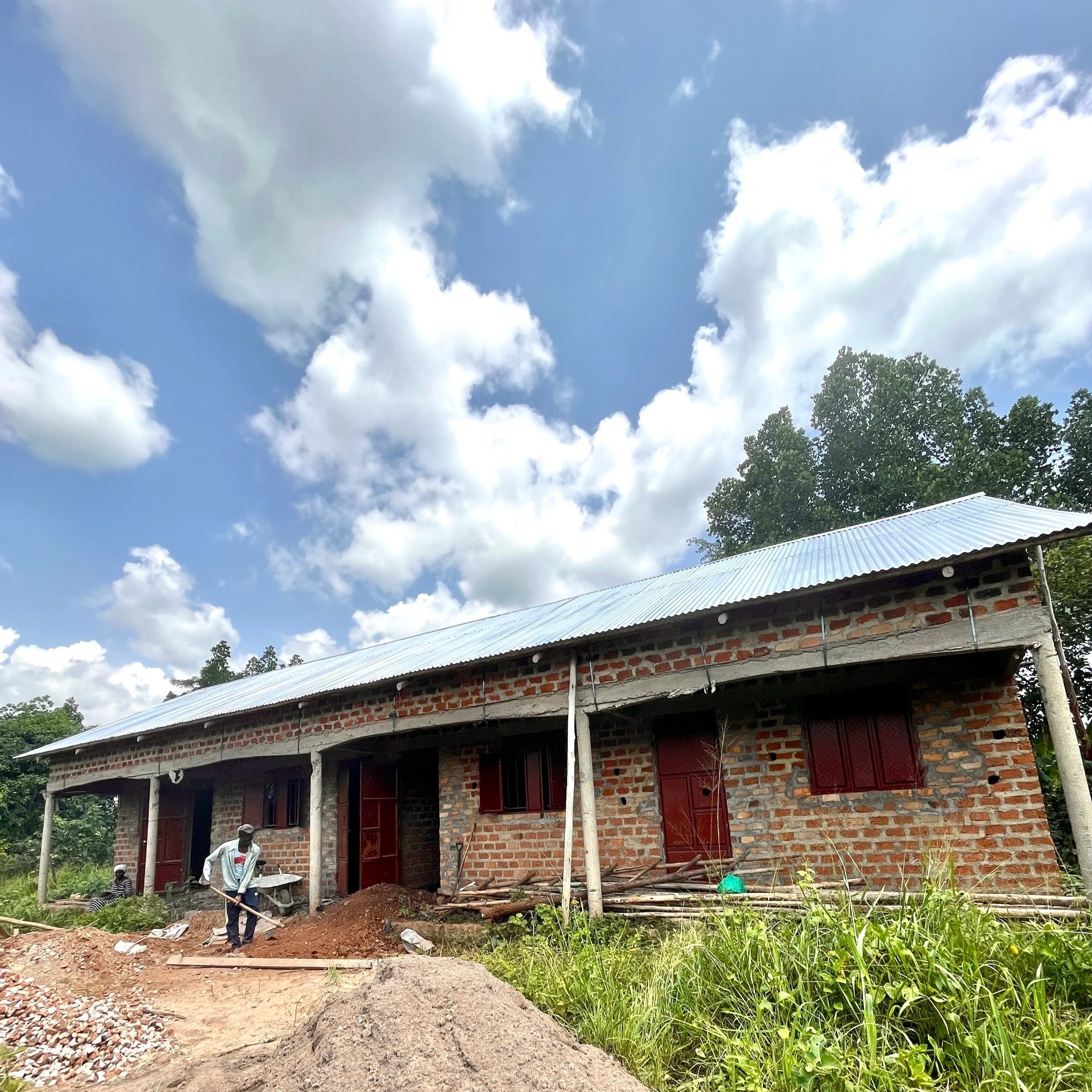
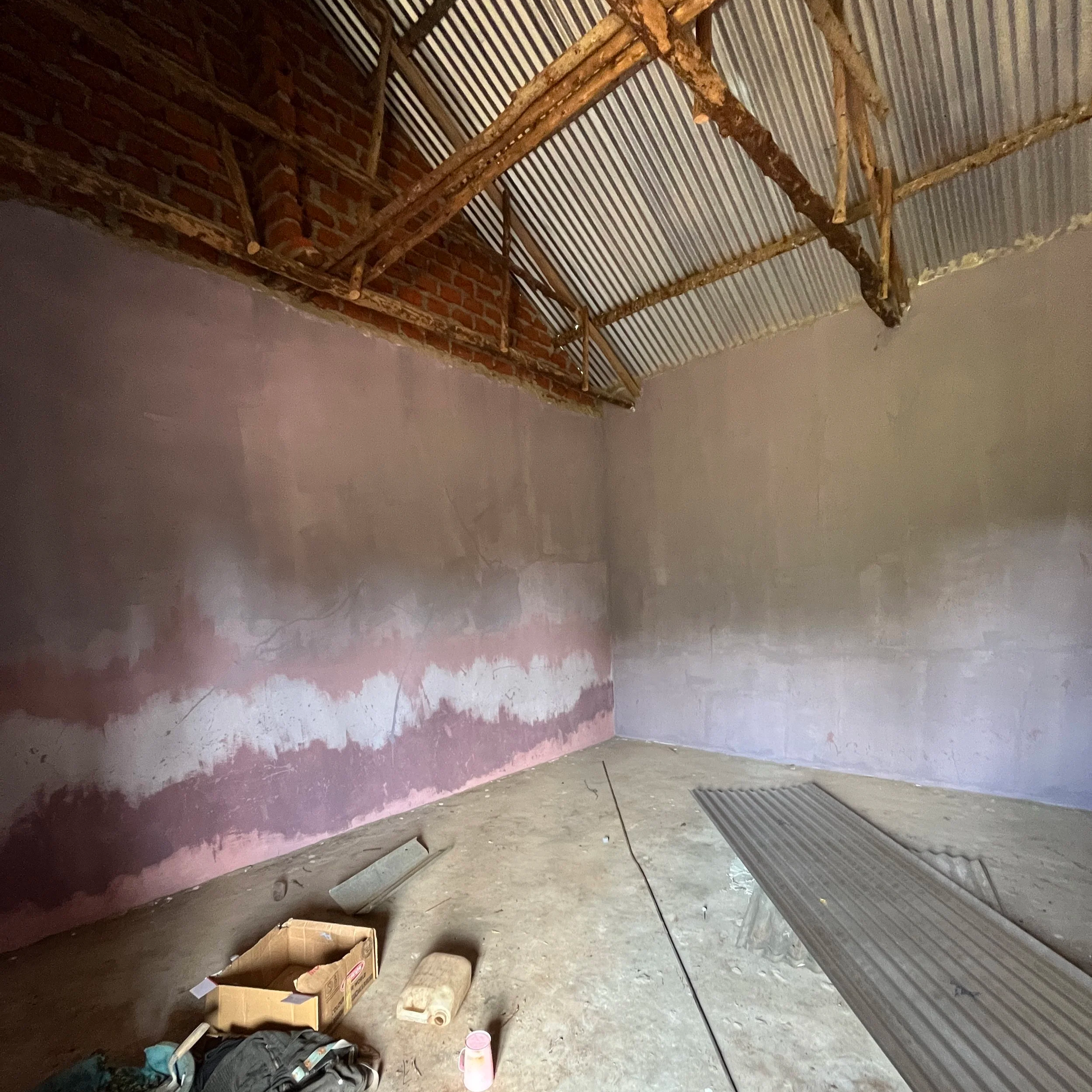
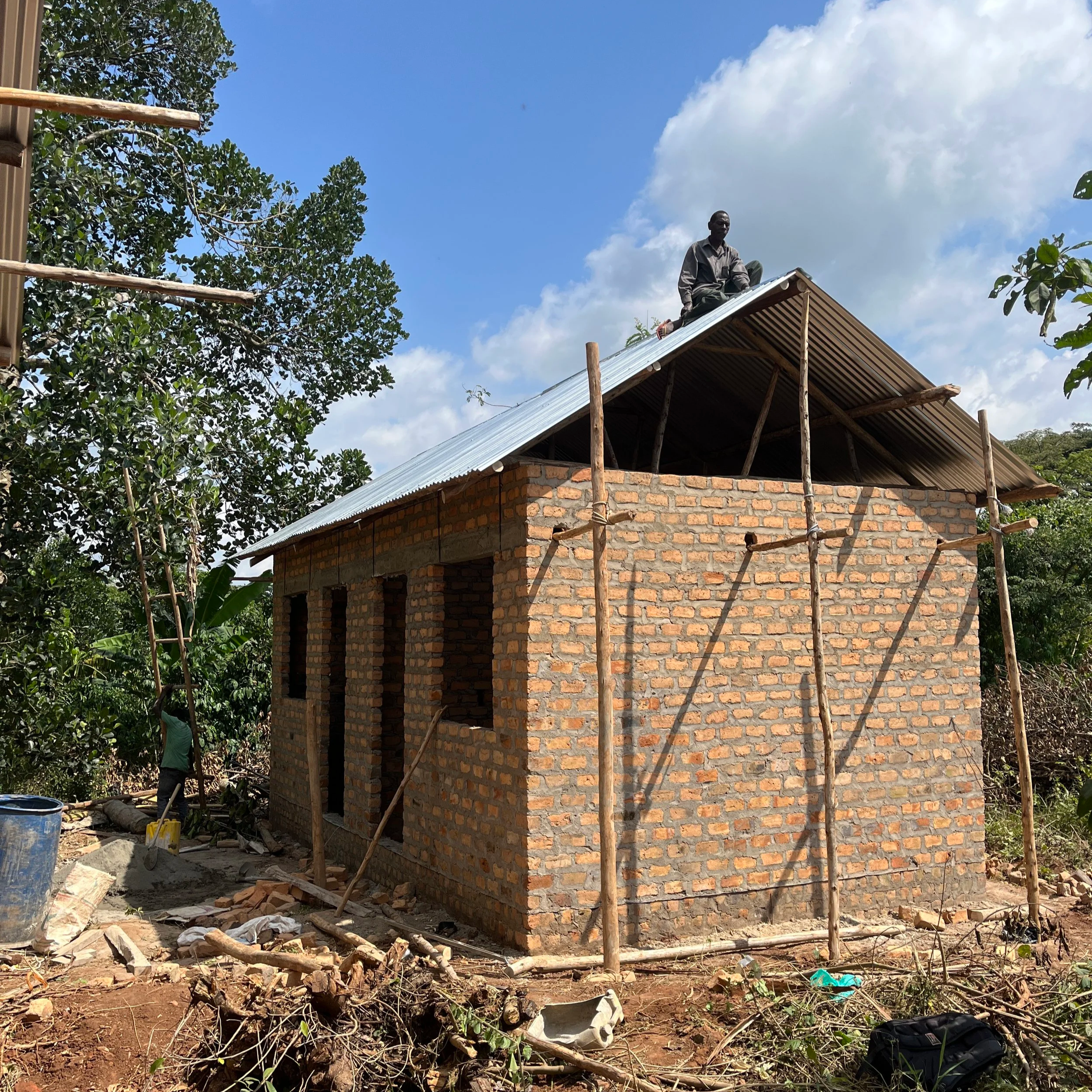
What I had first seen in 2020 as dense jungle without a clear path was now almost unrecognizable. An entryway had been cleared, and a large brick structure stood where there had once been only vegetation. Using savings of their own, funds I had left with them years earlier, and small amounts sent intermittently, Elvic and Vicky had laid the foundation for what would become the first four classrooms of Ebenezer Junior School. The rooms were still unfinished and needed cement and sealing, but the interior of the first classroom was complete. Standing there, I remember saying, almost instinctively, “We have to paint it.” It was the simplest way I knew how to help.
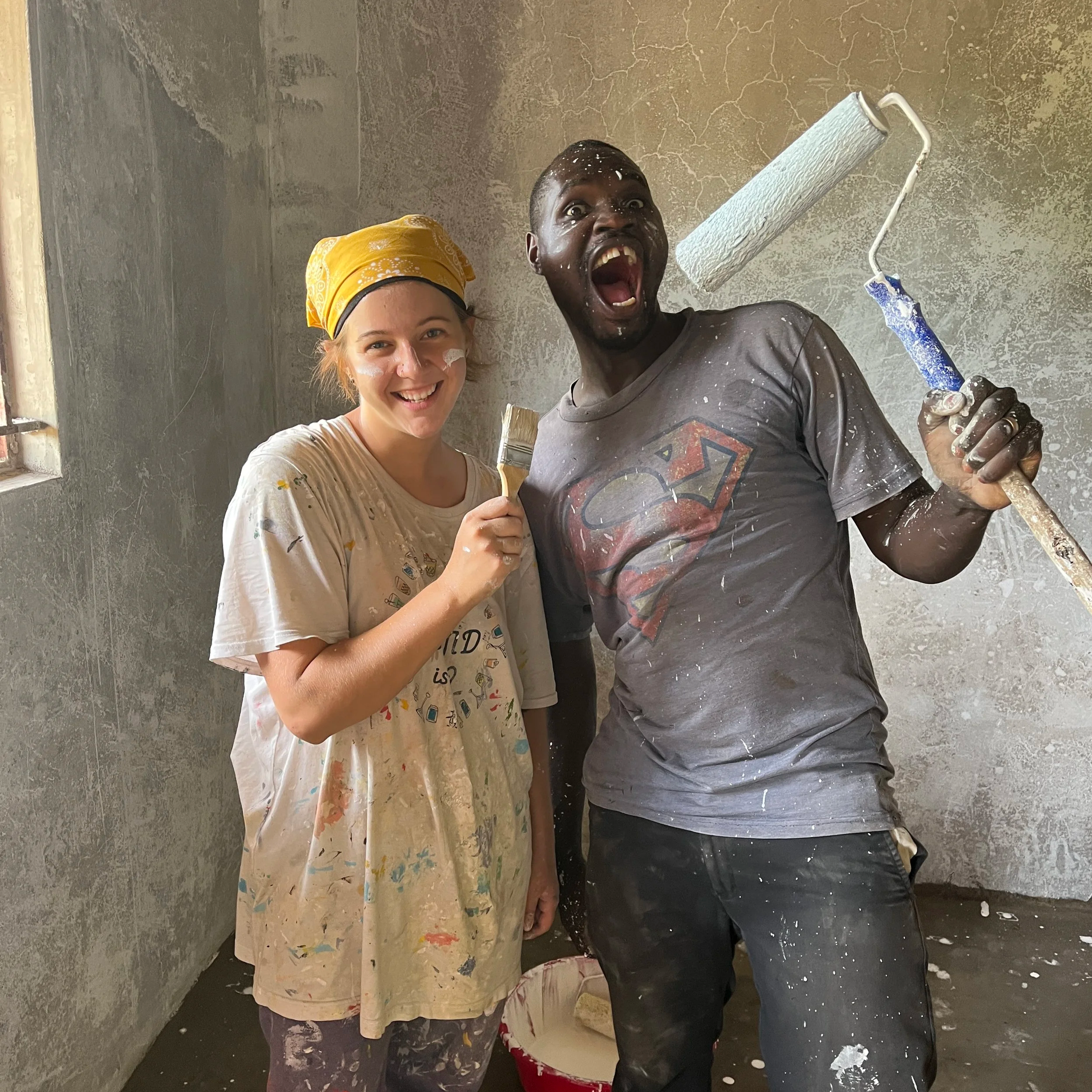
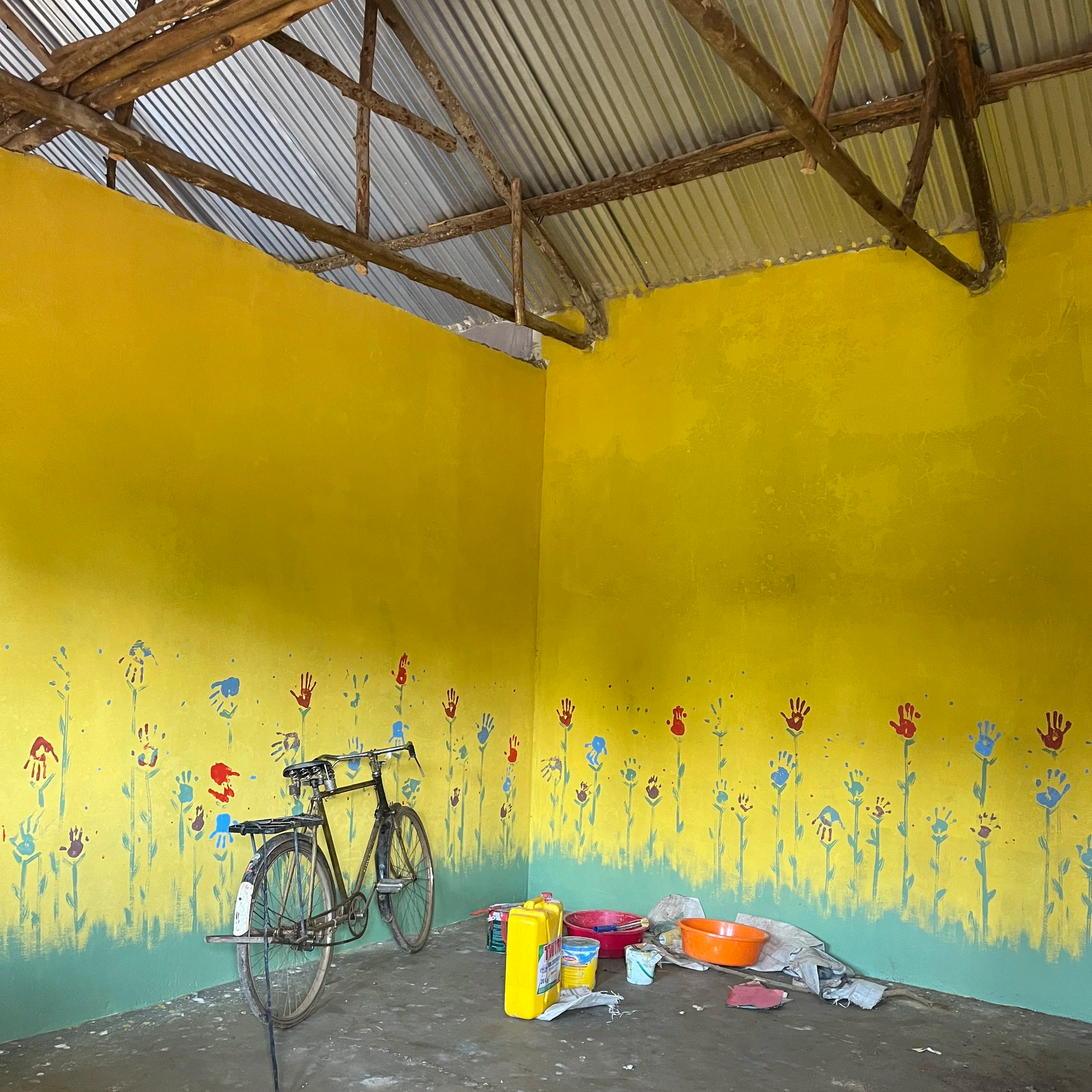
Together, we chose colors, and during the school days Elvic and I began painting the first two classrooms. That was the moment when everything shifted for me. What had been an idea and a dream now felt tangible. We were standing inside a place where children would one day sit, learn to read, and begin their education. At the time, we had no way of knowing that just eight months later, students would be filling those rooms and starting their journey toward literacy and numeracy.
When I was able to connect to wifi, I shared photos and messages with my family, explaining what Elvic and Vicky were building. Until then, I had seen myself simply as a supportive friend, but standing in those classrooms, it became clear that I could also be an advocate. Elvic and Vicky had a vision to change their community by making education accessible where it did not exist. I realized that others, given the chance, might want to support that work as well.
They did. Family members, friends, and even distant connections began sending money. One evening, I sat down with Elvic and Vicky and explained that I would need to travel to town to use an ATM the next day. I told them that people had contributed millions of Ugandan shillings, more than one thousand US dollars, to support the school. Vicky was quiet in a way I had rarely seen before. She covered her mouth, eyes wide, processing what this meant. For two people who worked tirelessly to provide for their family and routinely shared what little they had with others, this level of support felt almost unreal.
Elvic and Vicky lived by a simple belief. If I have, you should have too. They gave away clothes, food, and shoes whenever they could. Even so, it would have taken them years to save enough to build a school on their own. I could see both their generosity and the limits placed on them by access and resources. I could also see my own access to people with the means to help. Slowly, mpola mpola, we began to bridge that gap together.
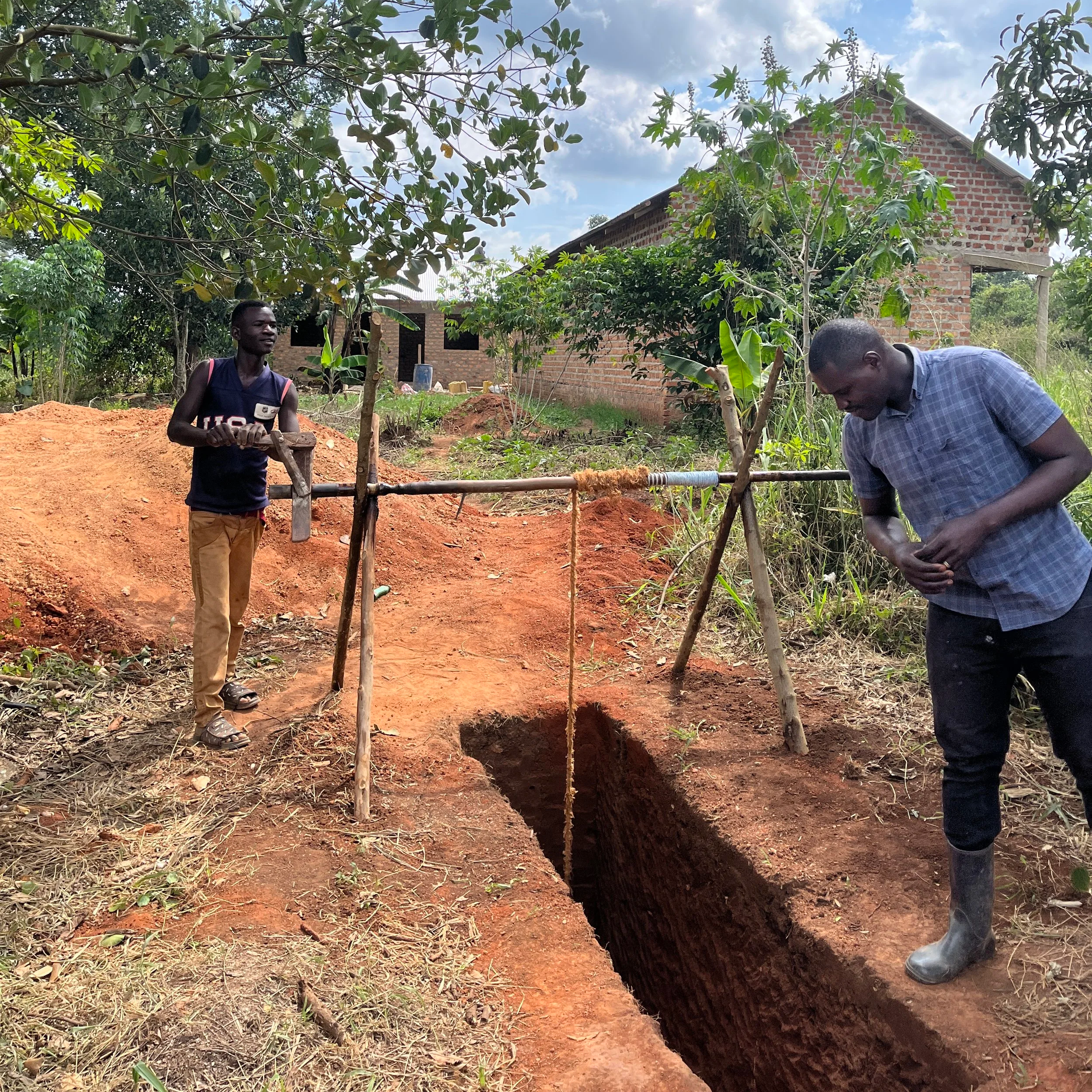
During that monthlong visit, with the financial support that had come in, construction began on another structure that would later become staff housing, and someone was hired to dig the first latrine at the school, fifty feet into the ground. That latrine would later play a surprising role in our social media and crowdfunding journey, though we did not know it at the time.
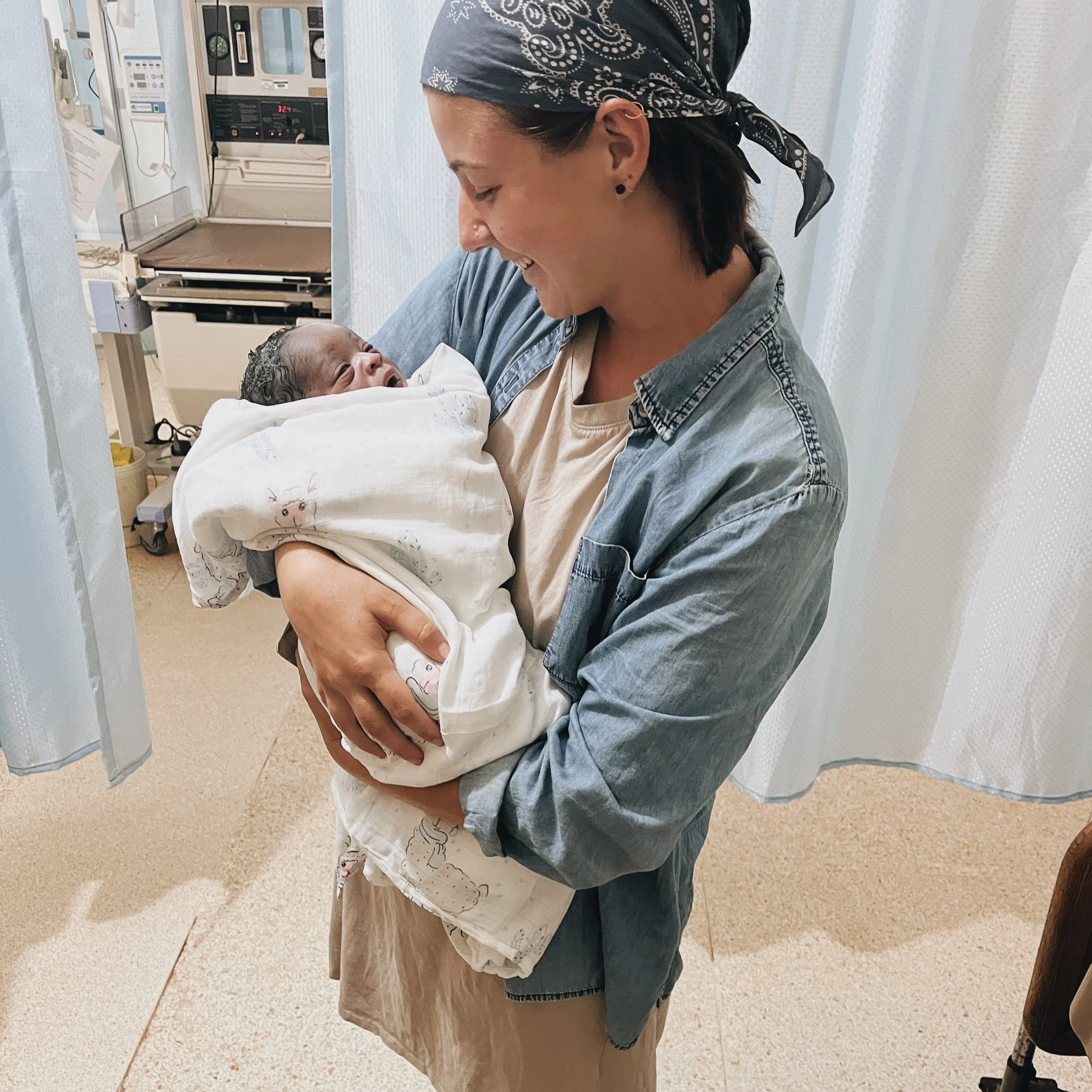
About halfway through my stay, Vicky went into labor late one night. Elvic called a friend who owned a car, and we drove through the darkness along a clay road to the nearest hospital. As we traveled in the early morning hours, Vicky noticed a young child walking along the road with a backpack. Between contractions, she said quietly that she wished she had a bicycle to give that child so they would not have to wake so early and walk such a long distance to school.
Even in one of the most painful moments of her life, Vicky was thinking about the needs of others. At that time, she was still teaching in another village where children at least had access to education, even if it meant walking long distances. In Kyanjiri, where she and Elvic owned land, children did not have that option at all. That was why they wanted to build a school there.
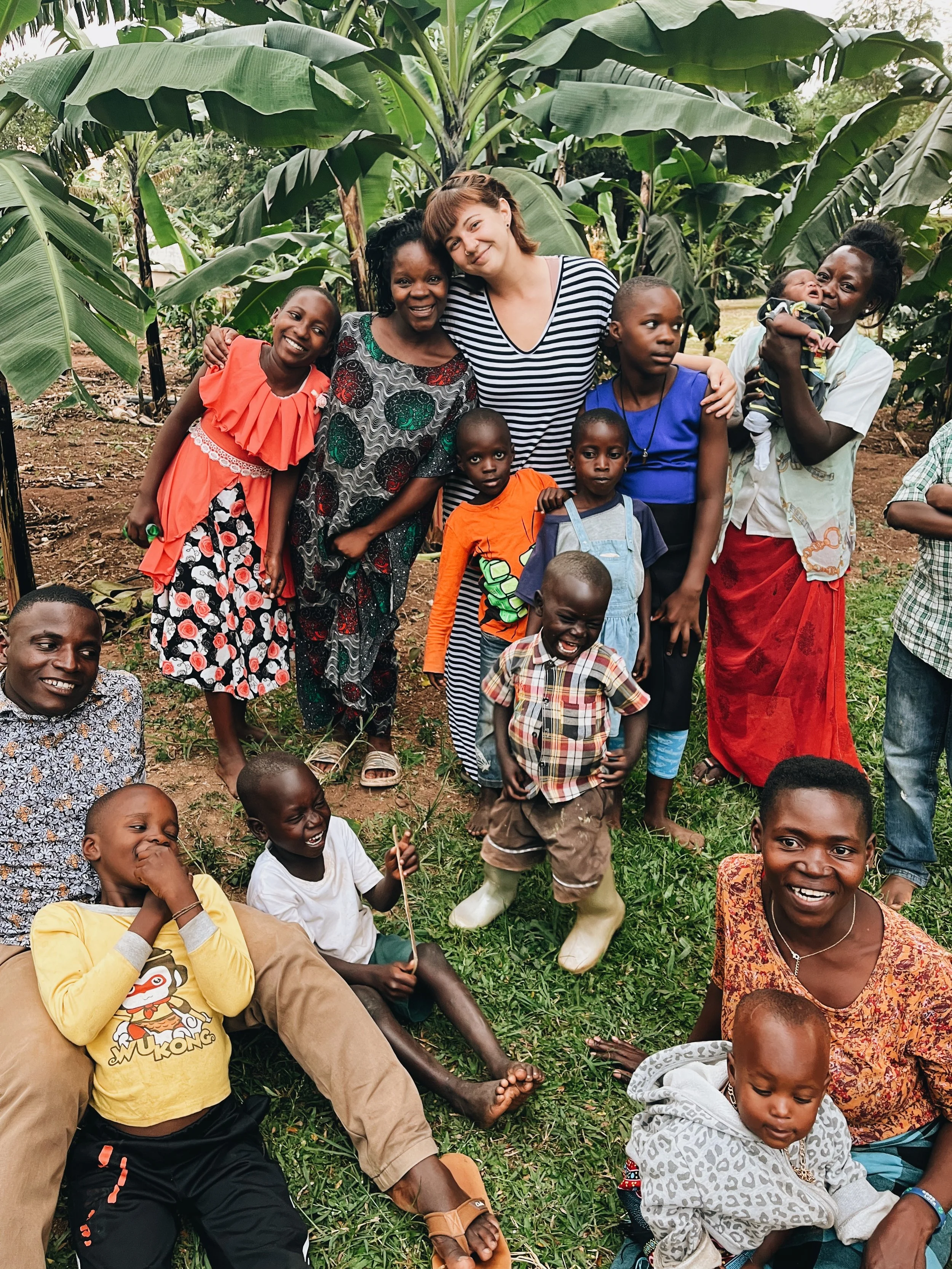
Vicky delivered Arthur safely, and soon both were home again. In the days that followed, we celebrated new life alongside the early promise of what would become Ebenezer Junior School. We gathered with family and friends, many of whom would later become the school’s first staff members. Looking back, that moment captured what this project has always been about. Real relationships, shared responsibility, and a community working together to create something that did not exist before.