2020: Sowing the first seeds
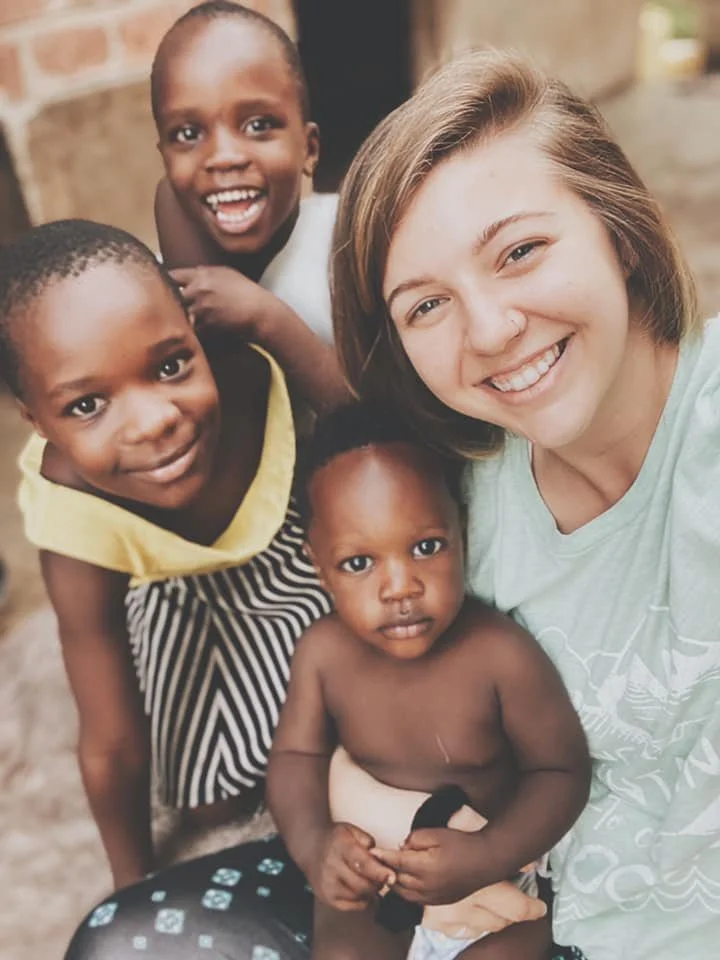
Hi, I'm Courtlyn, the founder and president of Start the Ripple. Starting a nonprofit was never part of my plan, but I'd love to tell you how it came to be.
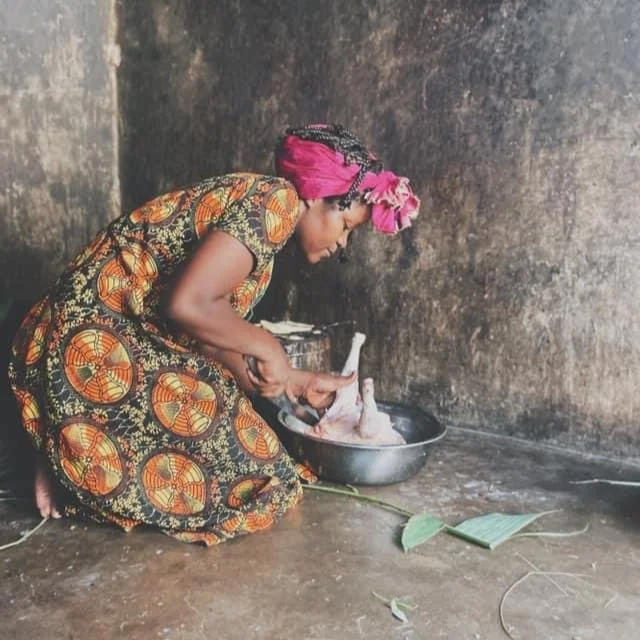
Back in January 2020, I moved across the world to Uganda to work an office job at an NGO. Soon after arriving, the world shut down due to a global pandemic. Just before the Ugandan lockdown began, I complimented someone's traditional kitenge dress. She was a woman I had only ever really met in passing, her name was Vicky Lubwama. She enthusiastically accepted my compliment and offered to show me where I could get a traditional dress for myself. I took her up on that offer, and that was the start of a deep, meaningful friendship that would unfold over the rest of the year.
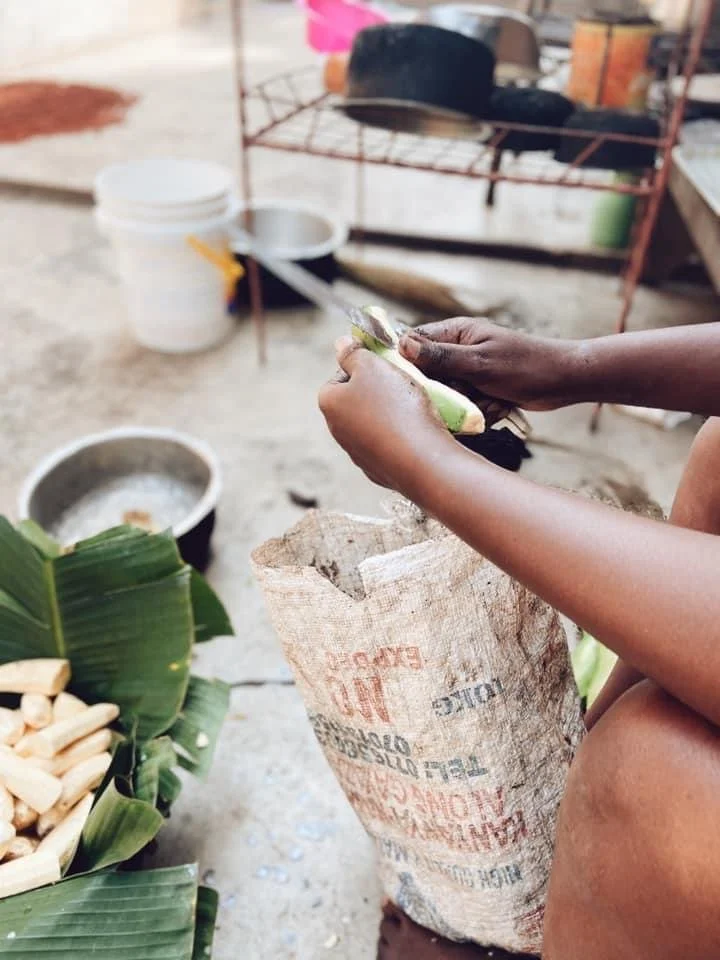
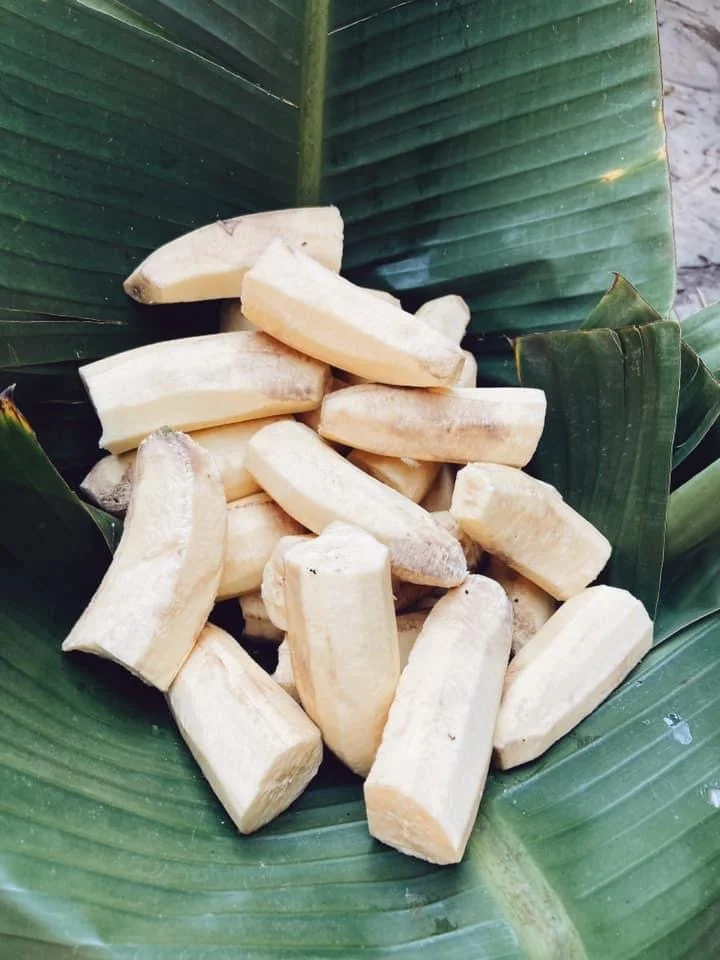
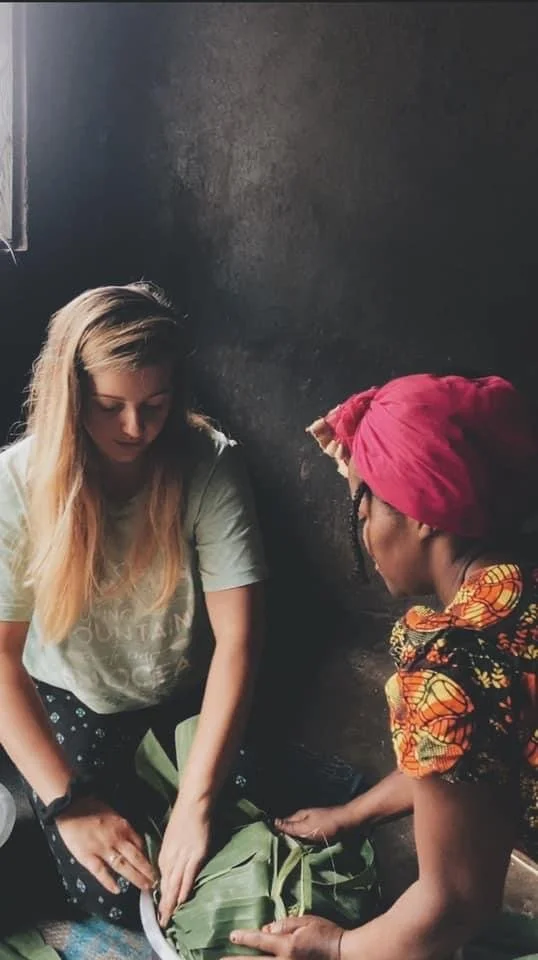
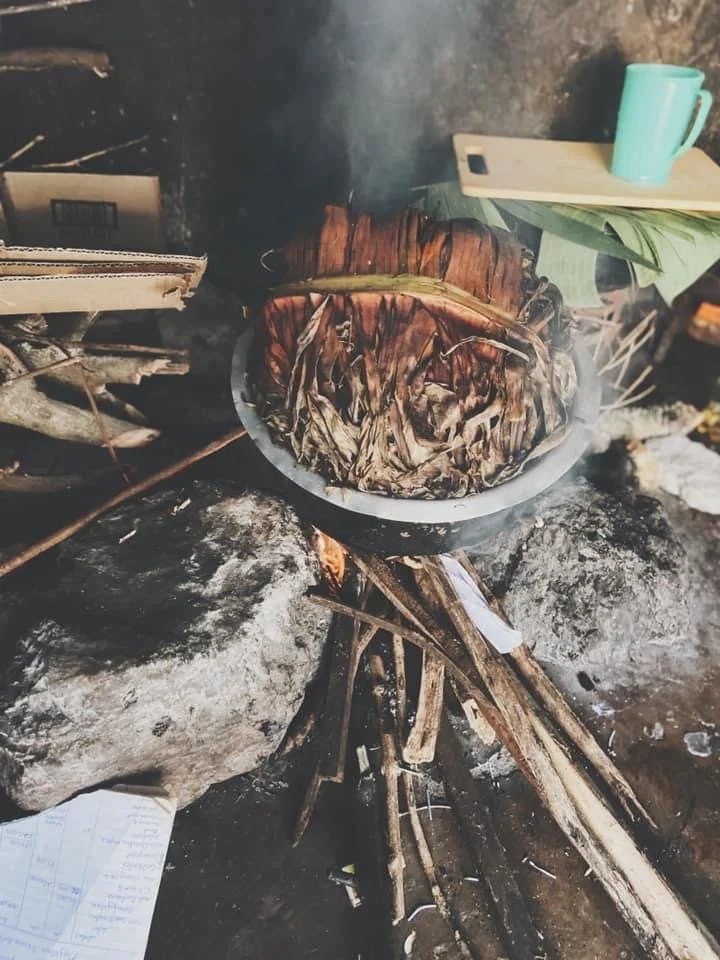
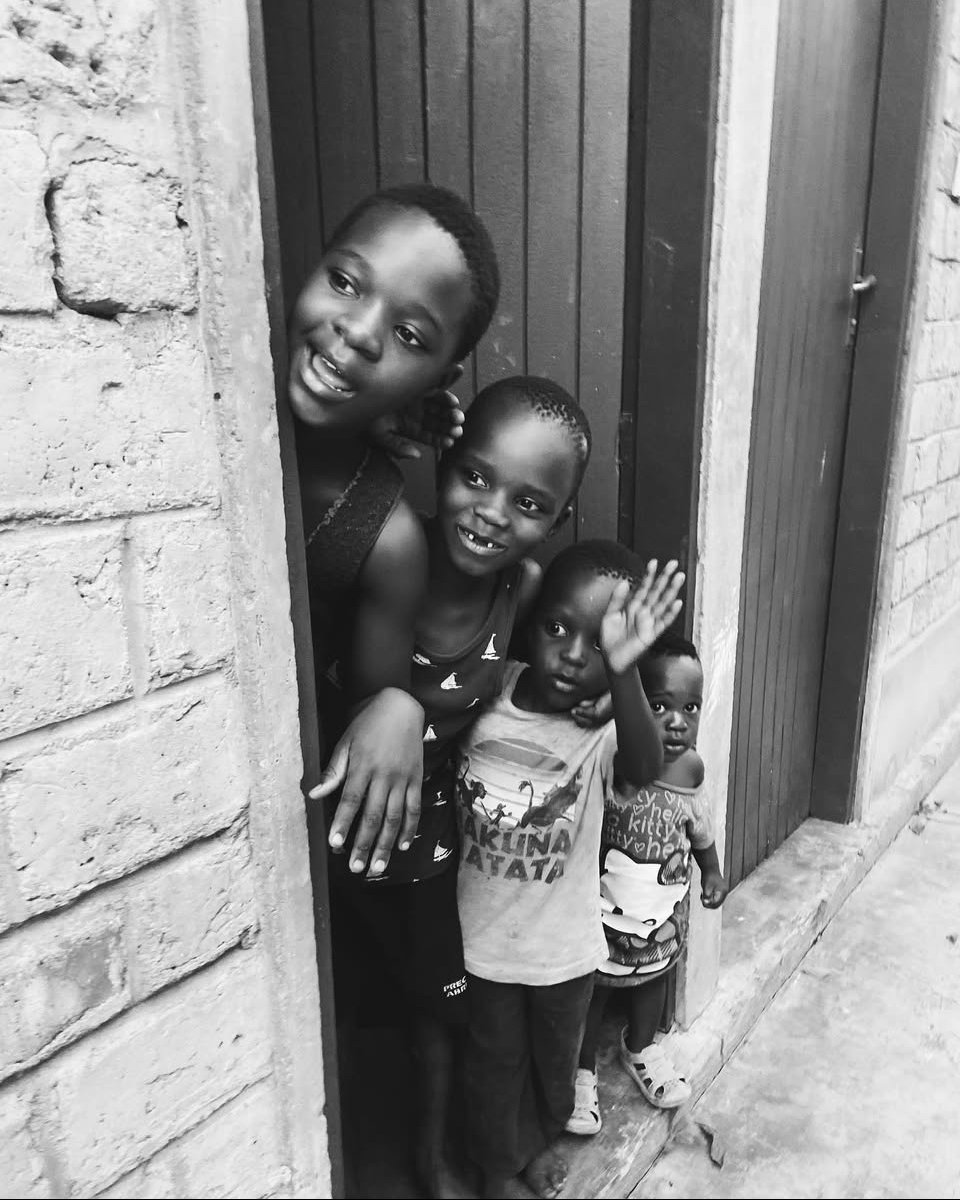
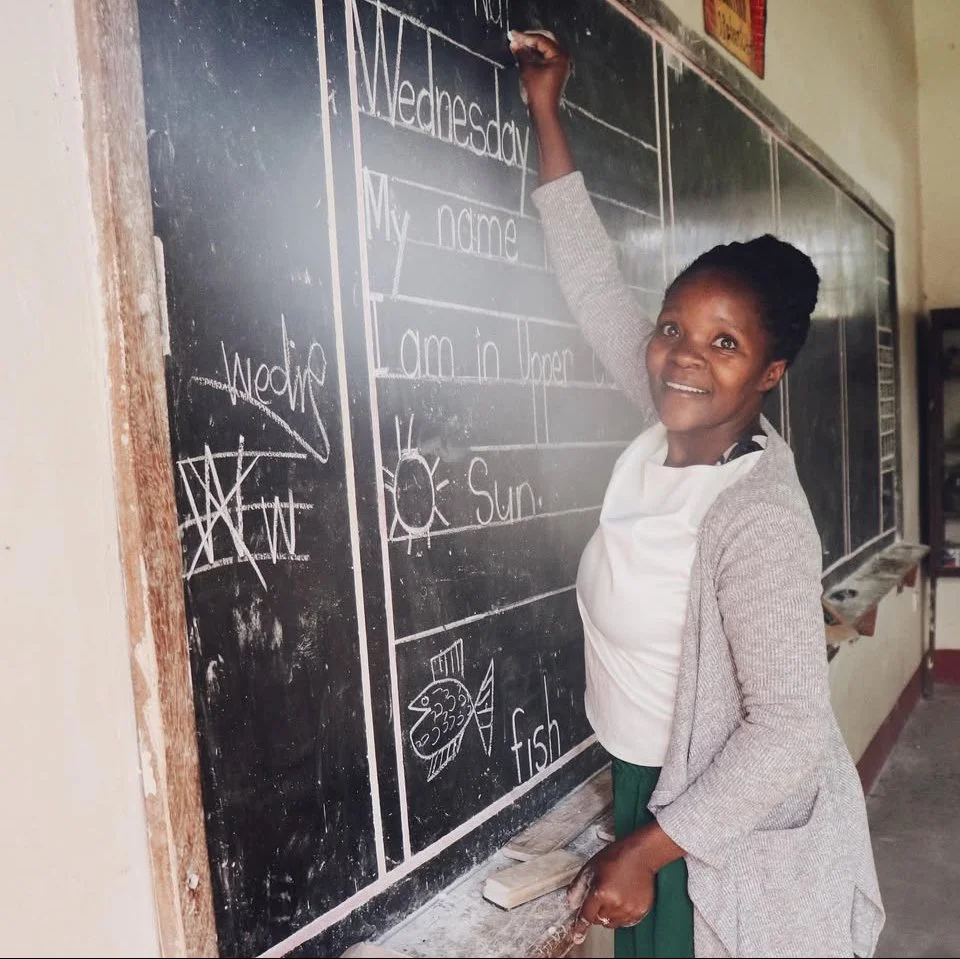
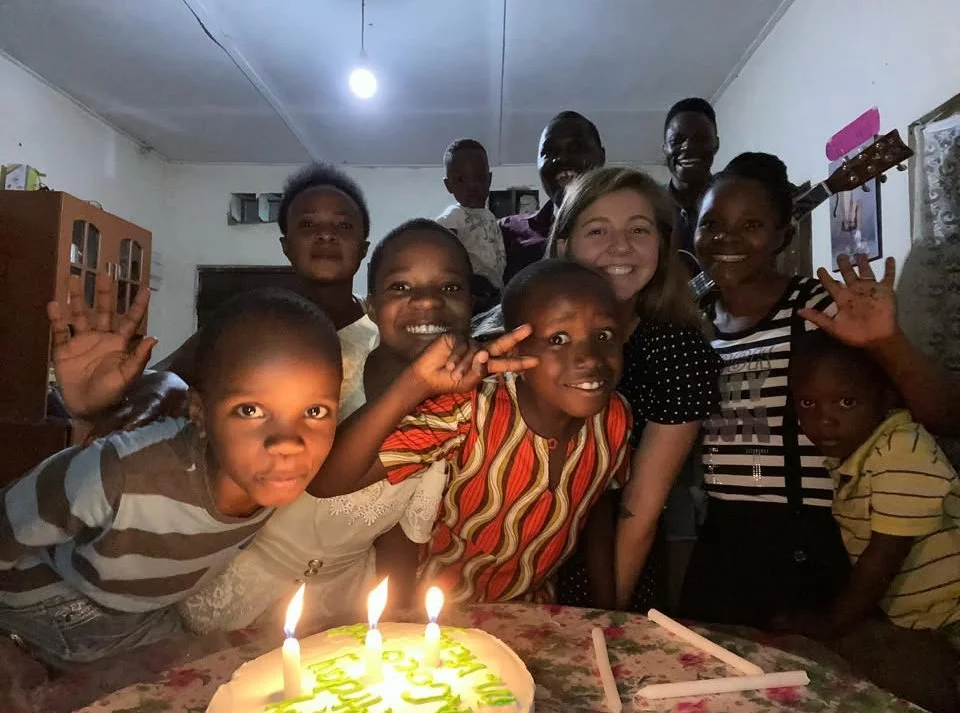
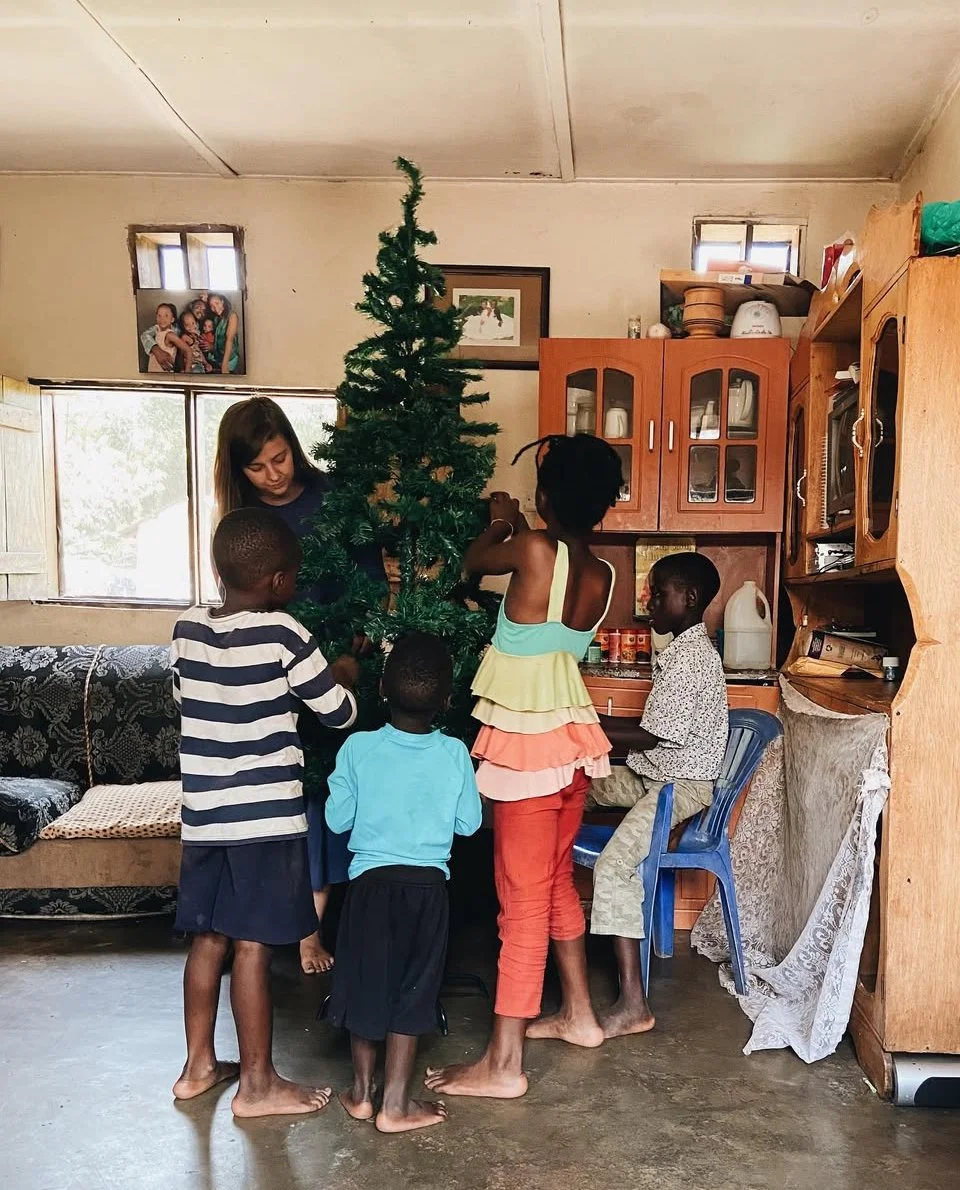
Vicky was a schoolteacher at the NGO where we both worked. She lived just a minute's walk from me with her husband Elvic and their four children in our small, mostly self-contained, rural community. As lockdown stretched on, I became a regular at the Lubwama home. Vicky taught me how to peel matooke, the local banana, and how to steam it inside the banana leaves. While we all ate dinner together, Elvic would make jokes and quiz me on my Luganda, the local tribal language. Their children quickly warmed to me and felt like my own niece and nephews. They felt free to come by my place anytime to see if I wanted to play. We would often draw pictures with sidewalk chalk, sit in the grass and make flower crowns, or go on missions with jerrycans to fetch drinking water. Days with the Lubwamas were spent cooking, gardening, playing, and communing. We spent birthdays together too. Vicky and I were both born in August, and I was touched when they invited me over to celebrate with a cake that had both our names written on it. A few months ago we had been strangers. Now we were family.
By mid-2020, Elvic and Vicky told me they had used their life savings to purchase a piece of land two villages away in a place called Kyanjiri. Elvic would go there most days to grow food in the garden to support the family. I asked if I could join them and help with weeding one day. The next morning I showed up at their door in my sandals, which made them laugh. Elvic ran to a neighbor's to borrow some gumboots for me to wear and a bike for me to ride. We biked the few kilometers to Kyanjiri, and when we arrived, we stood before land I would now describe as bush. Overgrown vines, weeds, and vegetation everywhere, with no clear path to the crops Elvic had managed to plant. More than that, I learned black mambas (deadly snakes) were frequent visitors, so I was immensely grateful for whoever's boots I was wearing. We waded through the shrubs until we reached sprawling green vines I came to identify as lumonde, a white sweet potato. Soon we were all bent at the hip, weeding around the vines and harvesting some potatoes that were ready. As we worked, we talked and joked and laughed as usual, falling into the rhythm of it. Until eventually Elvic said how much he loves to harvest his crops, but more than that, he loves to harvest people.
I assumed he was making some joke, but he went on to tell me about the children in this village. He said without school or anything to occupy their days other than the usual chores, kids would often get bored and get into trouble. Many young boys would hang out with older guys and start to mimic their behavior. He noticed patterns of behavior that he wasn't so encouraged to see. To combat this, Elvic would sometimes offer kids in the area small payments to help him weed or harvest his crops. This time kept the kids occupied with a goal and gave Elvic the opportunity to encourage and mentor them. After their work, they received a little cash they could go spend on a soda or snack, which they were thrilled with. Elvic and Vicky could see how this would affect the young boys who were starting down a dangerous path. Vicky said how she hoped to be the one to bring the first school to Kyanjiri. My heart was touched by their love for this community, and I encouraged their vision of impacting Kyanjiri.
I only went to their land a few more times that year. Offices eventually opened again, and I was back at work with less time to help in gardens. By December 2020, my year in Uganda was coming to a close. I was left with some money in my account at the NGO that I was able to withdraw before I left. I walked the 42 steps it took to get to the Lubwama's home and asked if I could sit with them for a moment. Before I left, I wanted to support their dream of transforming Kyanjiri. I handed them an envelope of cash. It wasn't enough to build a home or anything, but maybe it could lay the foundation and start their journey to eventually live on their land. And who knows, maybe the school would follow later on.
Over the next year and a half, I sent a few small installments when I could. I didn't know exactly what was happening on the ground, construction timelines or progress updates, but I trusted them completely. In June of 2022, I returned to Uganda for a visit. It had been a year and a half since I had last seen the Lubwamas and their land in Kyanjiri. When I saw that they had chosen to build classrooms instead of bedrooms, I asked, "But where will you sleep?" They casually said, "A classroom." And the seven of them would, one day, all sleep in one classroom in order to open the doors of the first ever school in a small village called Kyanjiri.