
Our 2026 Year in Review
The year Ebenezer Junior School grew from 162 to 227 children. Drawn from Project Ebenezer's 2026 Annual Report.
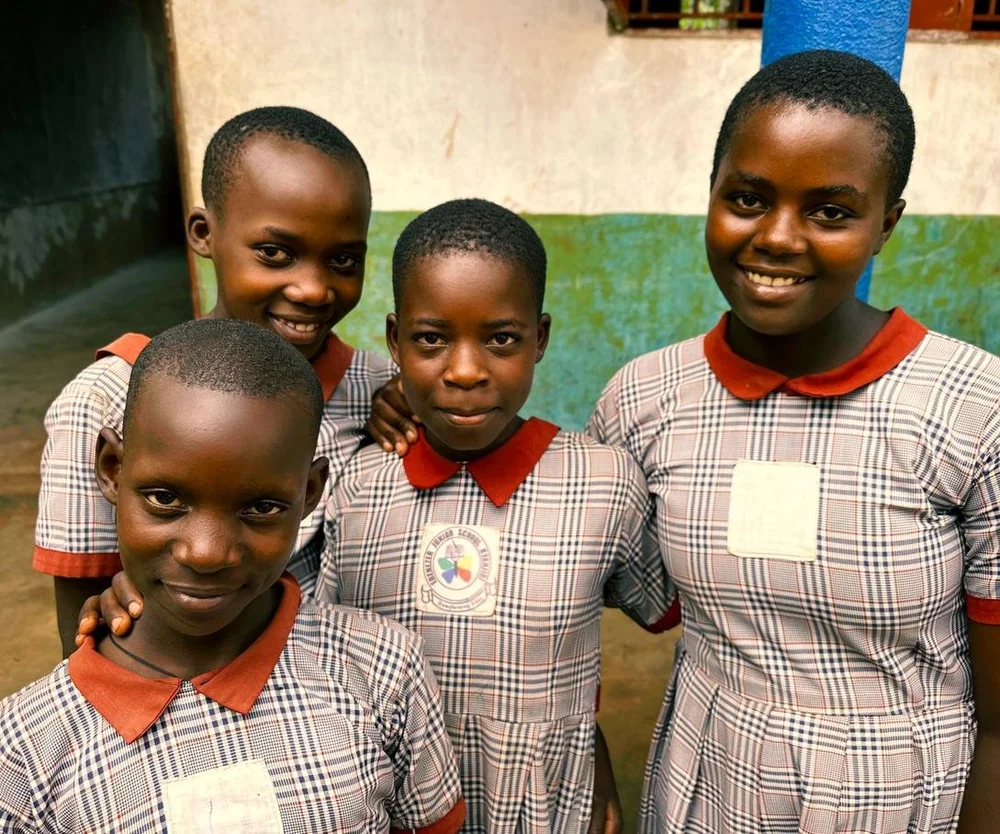
2026 at Ebenezer Junior School
- 227students enrolled
- 200scholarships awarded
- 92.5%academic success rate
- 80,000meals served, about
- 14local people employed
- 65new students welcomed
- 10classrooms, Baby Class to Primary 5
- 25menstrual kits given to girls and women
- 13families given food every month
- 2elderly neighbors supported every month
- 3major projects completed
From Project Ebenezer's 2026 Annual Report.
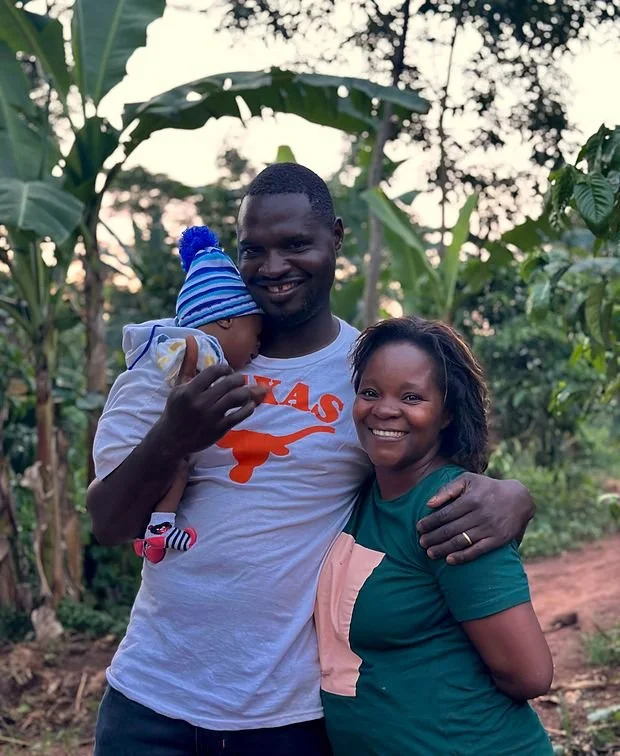
A message from Vicky and Elvic
Every day at Ebenezer Junior School, we watch lives transform. A hungry child sits down to a warm cup of porridge. A once skeptical little boy lights up with an infectious smile. A shy student picks up a pencil and writes her name for the first time. These moments are the joy of our lives, and we never get tired of them.
In 2026 we saw more of them than ever. Our school grew from 162 to 227 children, and we welcomed 65 new students. We finished two new classrooms and planted coffee and banana trees for the years ahead. Most of all, we watched confidence grow in children as they developed new skills like reading, writing, and multiplication.
None of it would happen without you. Our partners, donors, and volunteers make every meal, every classroom, and every lesson possible.
With heartfelt thanks, Vicky and Elvic Lubwama
Three big projects
Ten classrooms, and a farm that is starting to pay its way.
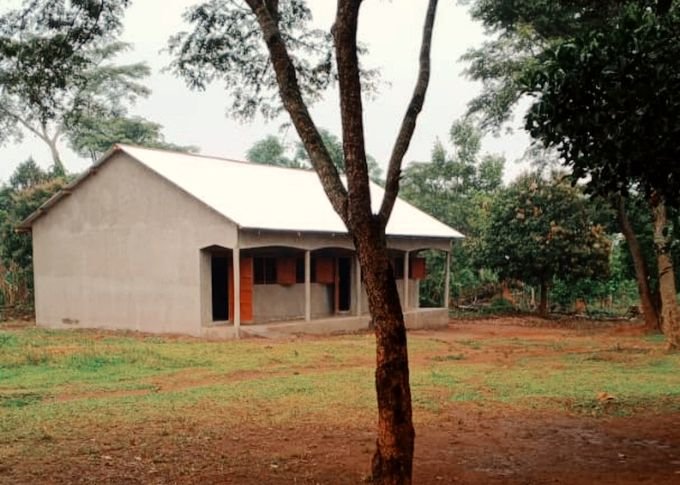
Two new classrooms
Two classrooms were completed, bringing the school to ten. In 2026 the school taught Baby Class through Primary 5; these rooms will be ready when the oldest students move up to Primary 6 and 7.
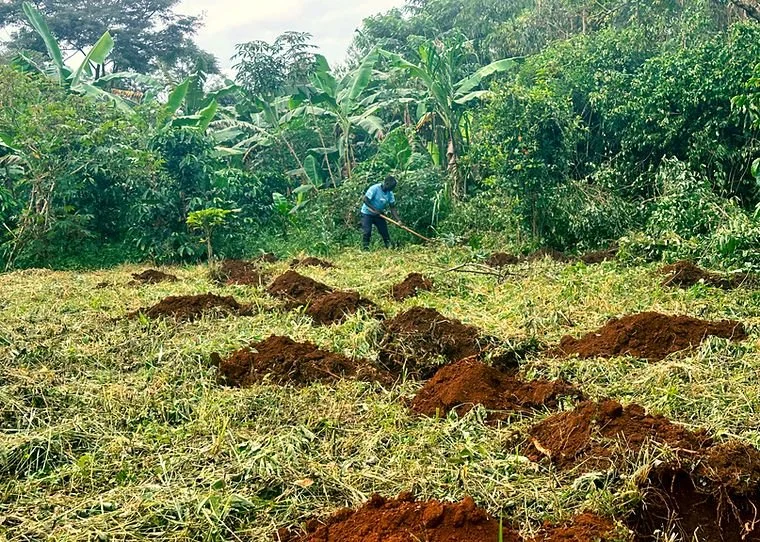
400 coffee plants
Coffee will give the school a steady income in the years ahead and help reduce its reliance on donations.
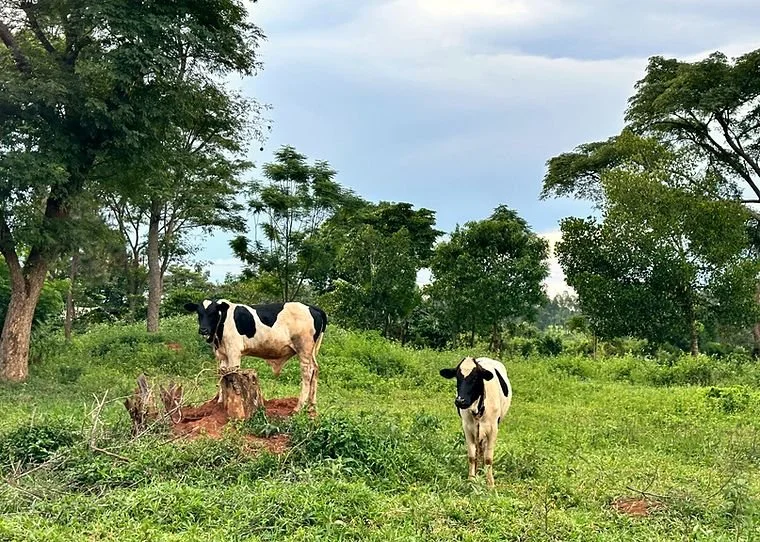
A cow and 200 banana trees
A cow joined the school's livestock program and 200 banana trees went in. Together they add to the food and income the school can produce for itself.
Looking after the village
The school is a hub for the whole of Kyanjiri, not just its students.
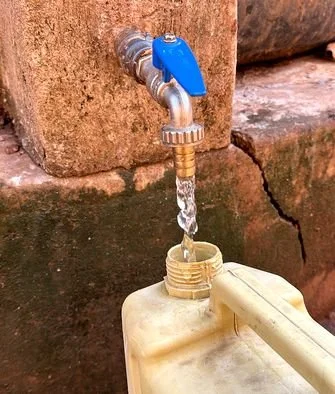
Keeping water flowing
Kyanjiri's community borehole serves more than 1,000 people. It needed repairs twice in 2026, and Project Ebenezer made sure both were done so families did not go long without water.
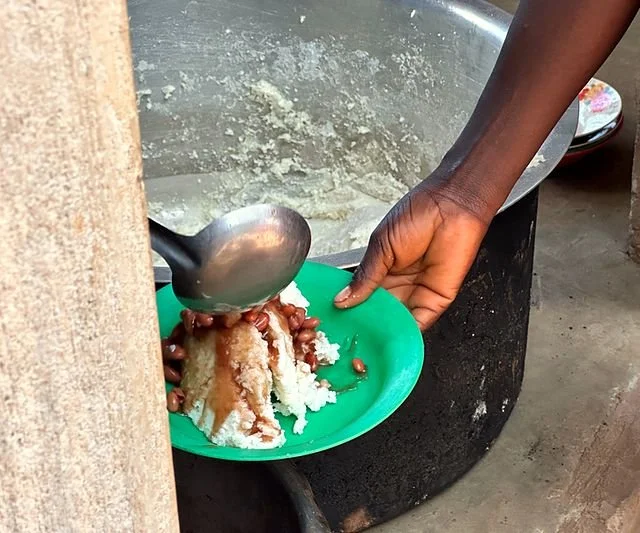
Supporting our neighbors
Every month Project Ebenezer gives food to 13 families in the village. Two elderly neighbors who live alone also receive regular help.
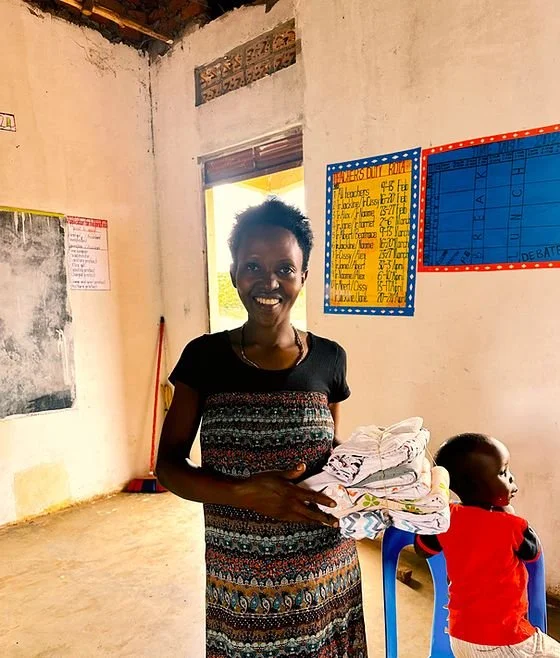
Cloth diapers for mothers
Thanks to a generous donor, 9 mothers received reusable cloth diapers, some of them young first-time mothers. Reusable diapers save families the ongoing cost of disposables.
The first computer class
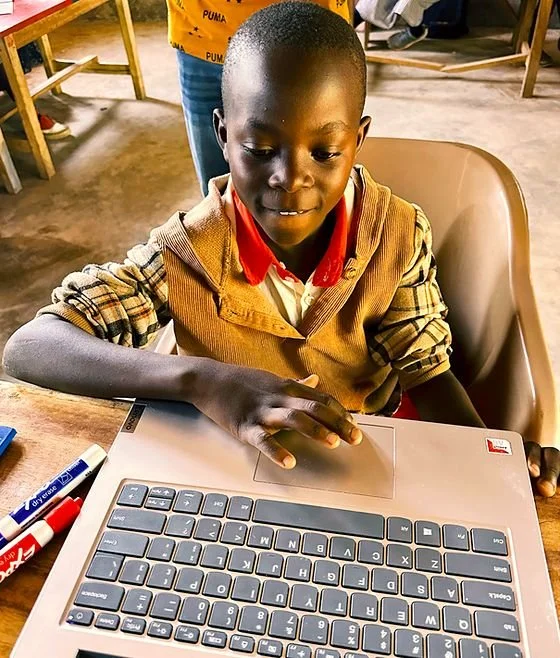
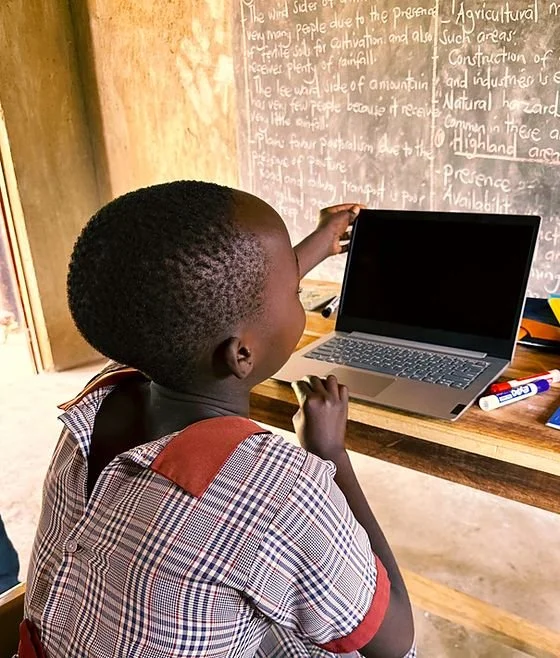
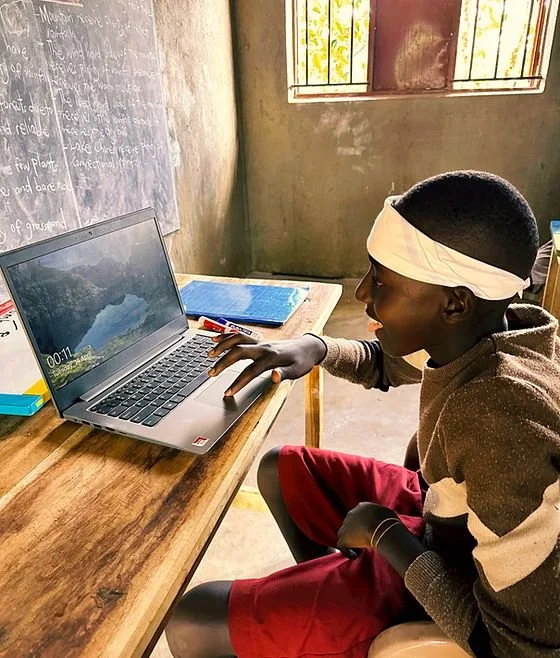
Electricity and technology are only beginning to reach Kyanjiri. In April 2026 the school held its first computer class, for Primary 3, 4 and 5, on a laptop donated through Start the Ripple and charged on a private solar connection. One by one, each child sat down, powered it on and typed their own name.
More laptops have since been donated through Start the Ripple, along with TypeSpark, a free typing program from a nonprofit in the UK. Typing their own name was a small first step. We just want the door to be open.
Keeping girls in class
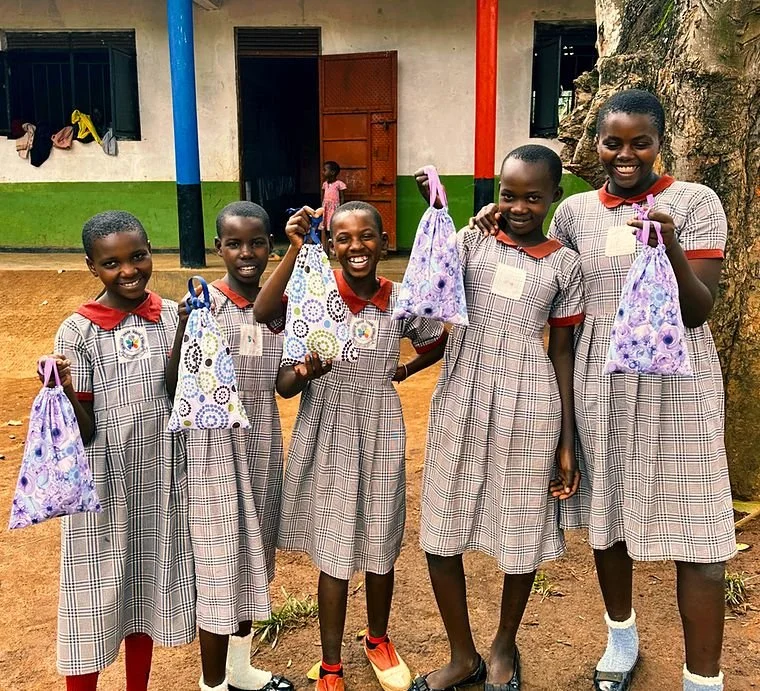
Across Uganda, girls begin leaving school at much higher rates than boys around Primary 5, often the age when they start menstruating. For three years Ebenezer Junior School has worked with The Pad Project (Too Little Children) to give older girls and young women in the village reusable pads and underwear that last up to five years, so a period is no longer a reason to stay home. In 2026 that meant 25 kits.
Stories of hope
Every child has a story. Here are three from 2026, as Vicky and Elvic tell them.
Daphine: Learning and growing
Daphine is about five years old, but small for her age. She lives with her Jajja, her grandmother, and joined Baby Class at the start of Term 3 on a scholarship; the school also supports the family with food staples, and Jajja volunteers in the school gardens. Since starting school Daphine has gained weight, begun learning new skills and started playing with the other children. She is almost always smiling now.
Yoweri: A simple question
Yoweri is 13 and delivers milk from local farms on his bike. He used to ride past the school every day, until one day he stopped and asked Teacher Cissy if he could study with the other children. Management said, "Okay, let him come." Now he is at school every day on a scholarship. He has learned some English, he passes his exams, and next year he moves up to Primary 5.
Nakabuye: Water on the way
Nakabuye is 85 and lives alone on the far side of Kyanjiri, a long way from the village's only community borehole. Her legs are weak and the walk is hard. She is one of the 13 households the school supports each month. Donors have offered to sponsor a second well on the school's land on that side of the village, where we hope to build the secondary school one day.
Our goals for 2026, and how they went
- 1
Finish the school
Build the last two classrooms to complete the nursery and primary school and secure its government registration, and move the cafeteria forward so children have a dry place to eat.
How it went: Done: two new classrooms were finished in 2026, bringing the school to ten. The cafeteria and the library are the goals for 2027.
- 2
Strengthen the staff
Add the academic and administrative roles the school needs, as recurring giving makes them sustainable.
How it went: The school grew from 162 to 227 children in 2026, with 14 local staff. More teachers, support staff and security are planned for 2027.
- 3
Grow toward self-sufficiency
Start coffee, goat and cow projects, working toward a school that covers 80% of its own costs by 2030.
How it went: 400 coffee plants and 200 banana trees went into the ground in 2026, and a cow joined the livestock program.
Looking ahead to 2027
What we weren't able to finish in 2026 we hope to in 2027.
Complete construction
The last buildings the school needs are a cafeteria and a library. We hope to build both in 2027, and if fundraising allows, break ground on the secondary school Kyanjiri needs.
Expand staffing
New teachers, support staff and security, so the school runs smoothly as it grows toward 300 students.
Strengthen sustainability
Expand coffee, grow the livestock program and try small income projects, to rely less on donations.
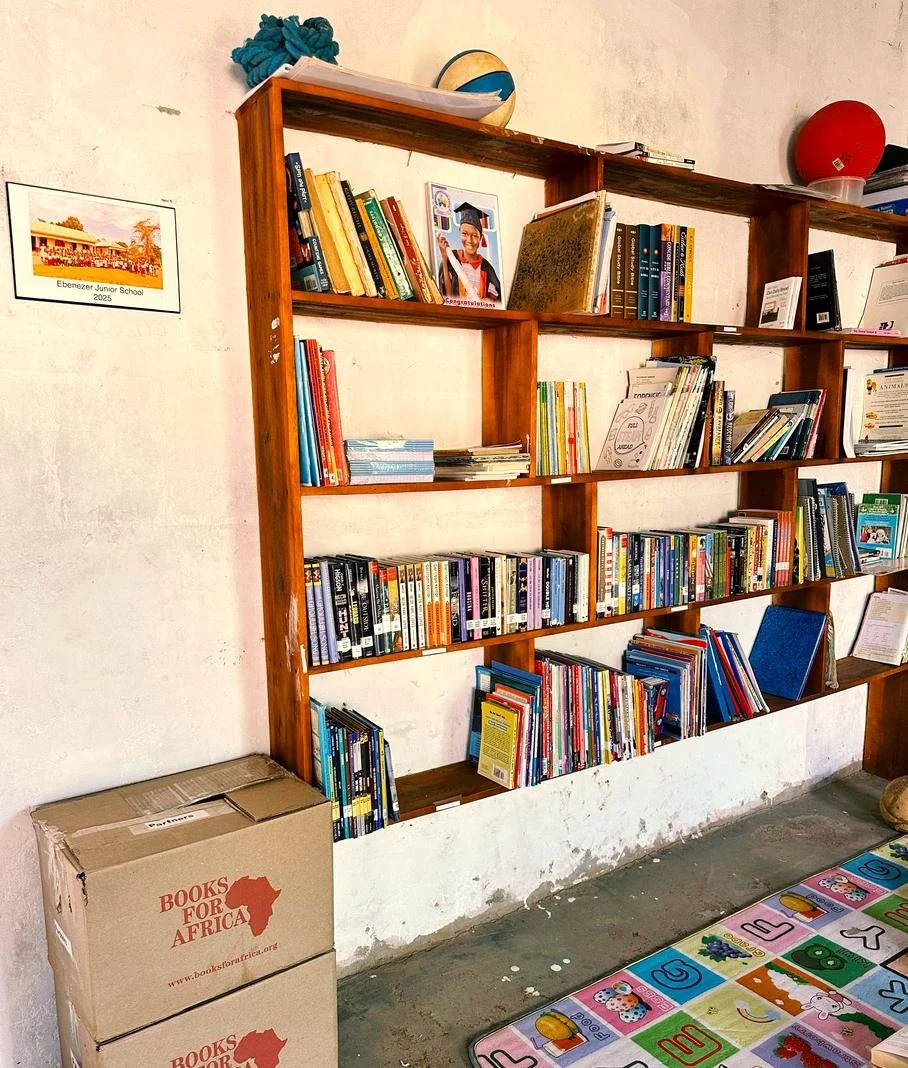
About Project Ebenezer
Project Ebenezer is a community-based organization registered to serve Kyanjiri and surrounding communities in Nakaseke District, Uganda. Founded to support Ebenezer Junior School, it promotes education, health, water access and sustainable community development through locally led projects and partnerships.
Mission. Empowering the people of Kyanjiri by improving access to quality education, basic health services, and economic opportunities so families can build healthier, more resilient futures.
Vision. A fully operating nursery and primary school that is eventually self-supported and a hub for community learning and wellbeing.
Our partners

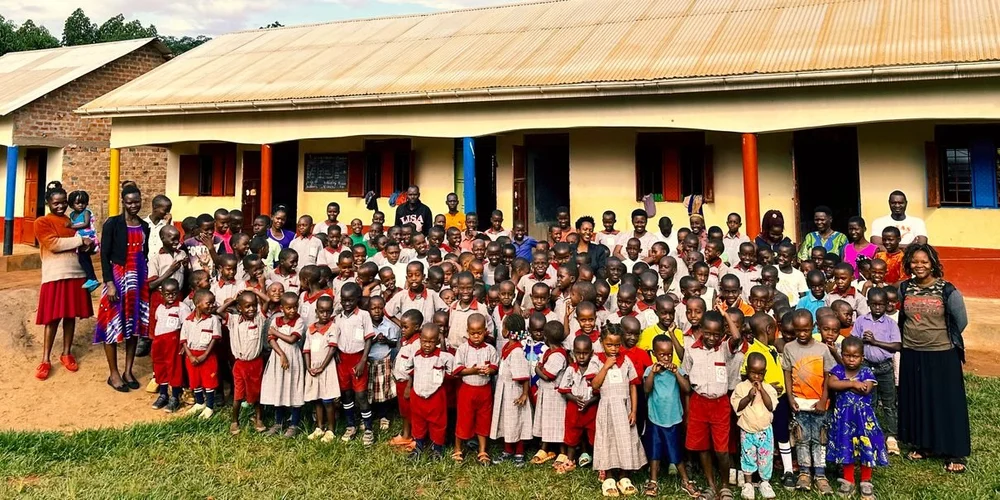
Project Ebenezer
Our partner on the ground in Uganda. Project Ebenezer receives and distributes the funds Start the Ripple sends, and organizes and oversees the school's projects through the year.
The Pad Project
Through Too Little Children, The Pad Project provided 25 reusable menstrual kits and undergarments for girls and women in Kyanjiri in 2026, the third year of the partnership.

Global Conflict & Crisis Strategic Solutions
GC2S2 sponsored student uniforms and is paying for two teachers to continue their own education.

Accuron Realty Group
Accuron sponsored a full school term, about three months, of meals.

Jan's Trips
Jan's Trips leads Start the Ripple's wildlife and culture trips to Uganda. The October 2025 trip helped fund the eighth classroom.
Looking for the numbers behind 2025, including every transfer to Uganda by month? Read the 2025 Year in Review.
Help us build 2027
A cafeteria, a library and more teachers for up to 300 children. It starts with one gift.